From LATAM to the Global Stage: The Executives You Already Know


When people think about global business leadership, they tend to picture Silicon Valley, New York, or London.
What’s less obvious is how many of the leaders shaping global companies today either come from Latin America or built their careers in environments that look a lot like it.
Not because it’s trendy.
Because it produces a certain kind of operator.
The pattern hiding in plain sight
Take a look at a few names most people already recognize:
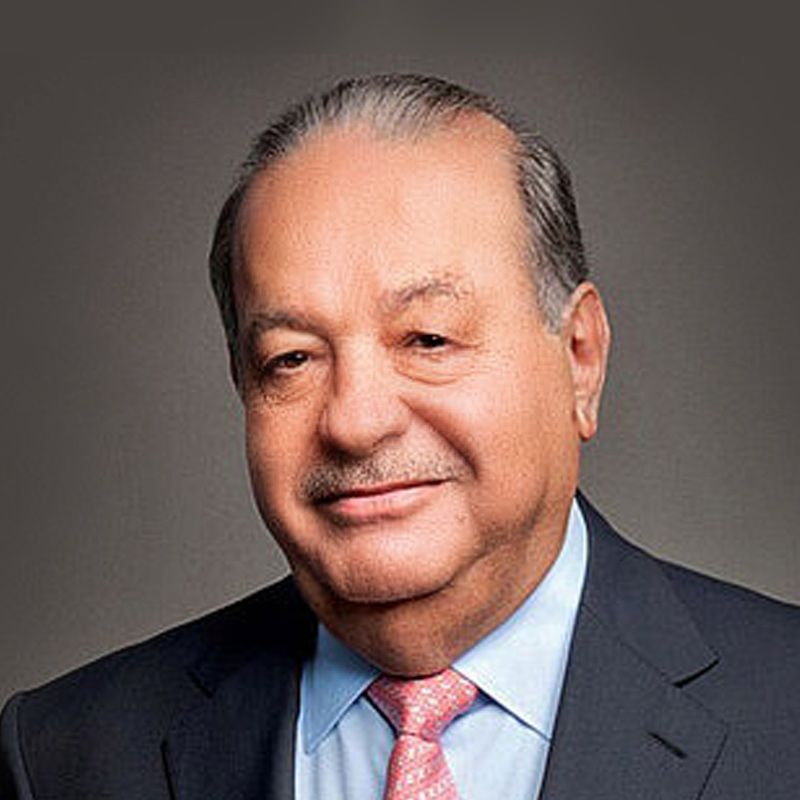
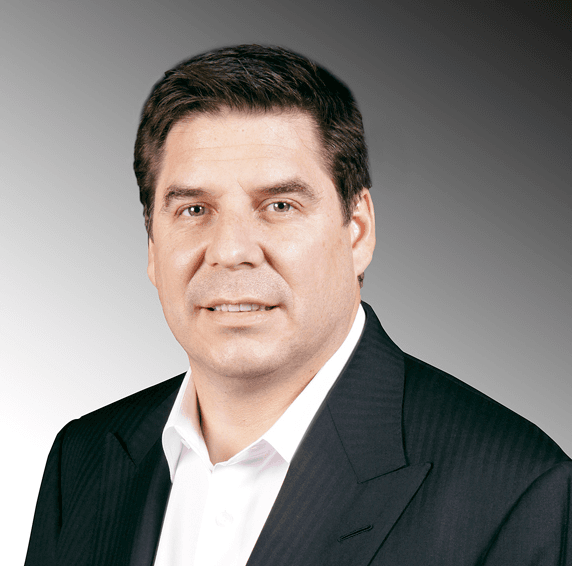
- Marcelo Claure – Born in Bolivia, he went on to lead major transformations at Sprint and play a key role at SoftBank, operating at a global scale across telecom and tech.
- Carlos Slim – Built one of the largest telecom empires in the world through América Móvil, navigating complex and often volatile markets.
- Marcos Galperin – Created MercadoLibre, often compared to Amazon and PayPal combined, operating across multiple LATAM markets with very different dynamics.
- David Velez – Co-founded Nubank, one of the largest digital banks globally, scaling in a region known for regulatory and financial complexity.
Different industries. Different paths.
But there’s a common thread.
These leaders didn’t grow up in predictable environments.
They learned to operate where things don’t always go according to plan.
Why LATAM produces this kind of leadership
Building a career in Latin America is, in many ways, building in “hard mode.”
Markets are dynamic.
Access to capital can be uneven.
Regulatory environments shift.
Economic conditions change faster than most places.
That forces a different set of skills to develop early.
1. Comfort with uncertainty
In many parts of LATAM, waiting for perfect information is not an option.
Leaders learn to:
- Make decisions with incomplete data
- Move forward despite ambiguity
- Adjust quickly when conditions change
- This creates decisiveness, not hesitation.
2. Resourcefulness under constraint
You don’t always have the luxury of large teams, big budgets, or endless tools.
So you figure out how to:
- Do more with less
- Prioritize what actually drives outcomes
- Find creative ways around limitations
This shows up later as operational efficiency and sharp focus.
3. Execution over theory
In highly structured environments, it’s easy to spend too much time planning.
In LATAM, execution is what matters.
Leaders coming from this background tend to:
- Bias toward action
- Own outcomes, not just strategy
- Stay close to the business
They don’t just design plans. They make them happen.
4. Natural global mindset
Latin America is not a single market. It’s a collection of very different ones.
Operating across countries often means:
- Navigating multiple languages
- Adapting to different business cultures
- Managing distributed teams
That builds a level of cultural awareness and adaptability that translates well globally.
A shift that’s already happening
Global companies are starting to recognize this.
Not just for cost advantages, but for capability.
LATAM professionals are not being “added” to teams anymore.
They are becoming core to how teams operate.
Running key accounts.
Owning critical processes.
Driving customer outcomes.
Quietly, but consistently.

A different way to think about talent
For a long time, hiring was driven by geography.
Today, it’s driven by capability.
And capability is shaped by experience.
Leaders who come from environments that demand adaptability, resilience, and execution tend to carry those traits with them wherever they go.
That’s why so many of the executives people already recognize share a similar background, even if it’s not always highlighted.
The global stage is already full of leaders shaped by Latin America.
Most people just haven’t connected the dots yet.